Scope of the SDMX Registry/Repository
Objective
The objective of the SDMX registry/repository is, in broad terms, to allow organisations to publish statistical data and reference metadata in known formats such that interested third parties can discover these data and interpret them accurately and correctly. The mechanism for doing this is twofold:
- To maintain and publish structural metadata that describes the structure and valid content of data and reference metadata sources such as databases, metadata repositories, data sets, metadata sets. This structural metadata enables software applications to understand and to interpret the data and reference metadata in these sources.
- To enable applications, organisations, and individuals to share and to discover data and reference metadata. This facilitates data and reference metadata dissemination by implementing the data sharing vision of SDMX.
Structural Metadata
Setting up structural metadata and the exchange context (referred to as “data provisioning”) involves the following steps for maintenance agencies:
- agreeing and creating a specification of the structure of the data (called a Data Structure Definition or DSD in this document but also known as “key family”), which defines the dimensions, measures and attributes of a dataset and their valid value set;
- if required, defining a subset or view of a DSD which allows some restriction of content called a “dataflow definition”;
- agreeing and creating a specification of the structure of reference metadata (Metadata Structure Definition) which defines the metadata attributes and their presentational arrangement in a Metadataset or as part of a Dataset, and their valid values and content;
- if required, defining a subset or view of an MSD which allows some restriction of content called a “metadataflow”;
- defining which subject matter domains (specified as a Category Scheme) are related to the Dataflow and Metadataflow to enable browsing;
- defining one or more lists of Data and Metadata Providers;
- defining which Data/Metadata Providers have agreed to publish a given Dataflow/Metadataflow – this is called a Provision Agreement or Metadata Provision Agreement, respectively.
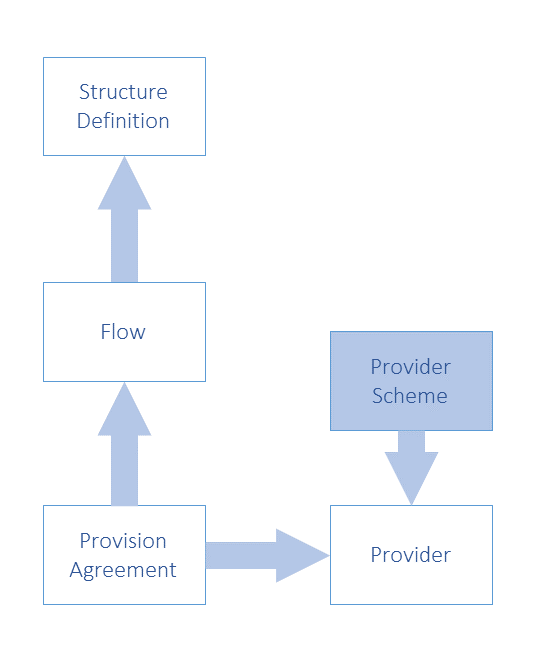
Figure 1. Schematic of the Basic Structural Artefacts in the SDMX-IM
Note that in Figure 1 (but also most of the relevant subsequent figures) terms that include both data and metadata have been used. For example:
- Structure Definition: refers to Data Structure Definition (DSD) and Metadata Structure Definition (MSD)
- Flow: refers to Dataflow and Metadataflow
- Provision Agreement: refers to Provision Agreement (for data) and Metadata Provision Agreement
- Provider Scheme: refers to Data Provider Scheme and Metadata Provider Scheme
- Provider: refers to Data Provider and Metadata Provider
In that context, the term “Metadata” refers to reference metadata.
Registration
Publishing the data and reference metadata involves the following steps for a Data/Metadata Provider:
- making the reference metadata and data available in SDMX-ML/JSON conformant data files or databases (which respond to an SDMX query with data). The data and reference metadata files or databases must be web accessible, and must conform to an agreed Dataflow or Metadataflow (Data Structure Definition or Metadata Structure Definition subset);
- registering the existence of published reference metadata and data files or databases with one or more SDMX registries.
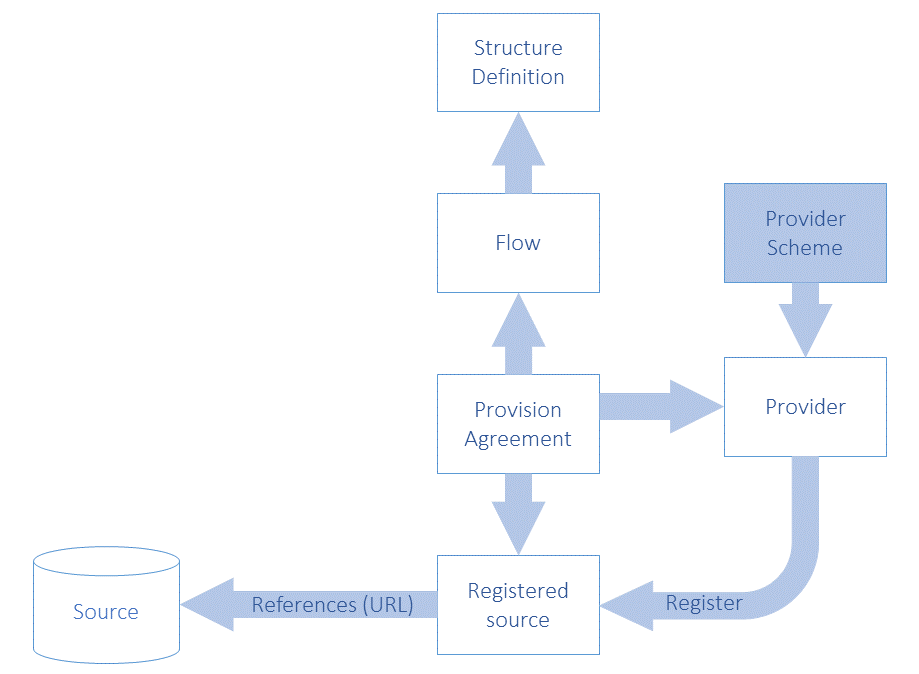
Figure 2. Schematic of Registered Data and Metadata Sources in the SDMX-IM
Notification
Notifying interested parties of newly published or re-published data, reference metadata or changes in structural metadata involves:
- registry support of a subscription-based notification service which sends an email or notifies an HTTP address announcing all published data that meets the criteria contained in the subscription request.
Discovery
Discovering published data and reference metadata involves interaction with the registry to fulfil the following logical steps that would be carried out by a user interacting with a service that itself interacts with the registry and an SDMX-enabled data or reference metadata resource:
- optionally browsing a subject matter domain category scheme to find Dataflows (and hence Data Structure Definitions) and Metadataflows which structure the type of data and/or reference metadata being sought;
- build a query, in terms of the selected Data Structure Definition or Metadata Structure Definition, which specifies what data are required and submitting this to a service that can query an SDMX registry which will return a list of (URLs of) data and reference metadata files and databases which satisfy the query;
- processing the query result set and retrieving data and/or reference metadata from the supplied URLs.
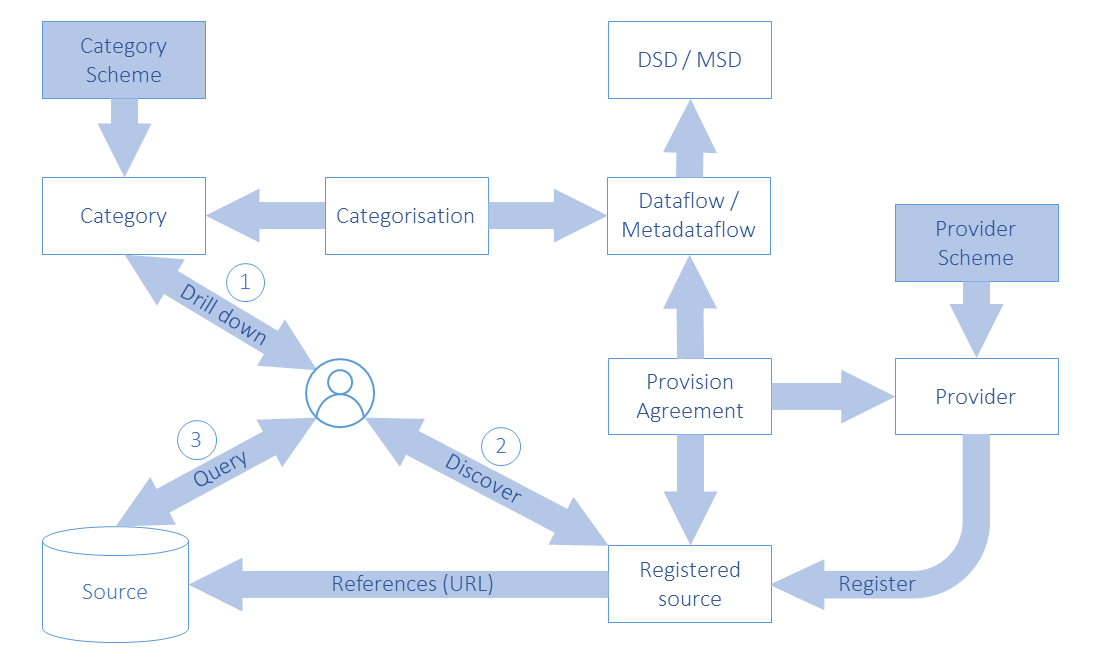
Figure 3. Schematic of Data and Metadata Discovery and Query in the SDMX-IM