SDMX Registry/Repository Architecture
Architectural Schematic
The architecture of the SDMX registry/repository is derived from the objectives stated above. It is a layered architecture that is founded by a structural metadata repository which supports a provisioning metadata repository which supports the registry services. These are all supported by the SDMX-ML schemas. Applications can be built on top of these services which support the reporting, storage, retrieval, and dissemination aspects of the statistical lifecycle as well as the maintenance of the structural metadata required to drive these applications.
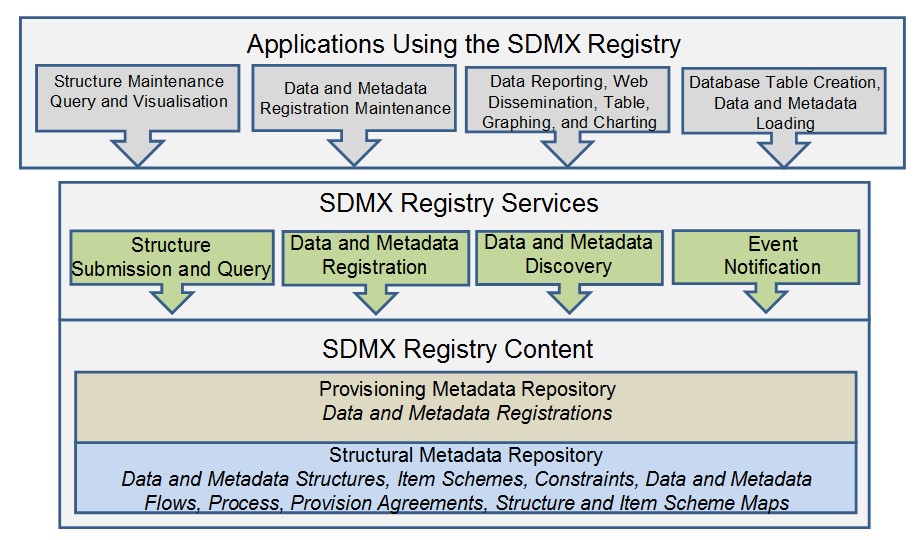
Figure 4. Schematic of the Registry Content and Services
Structural Metadata Repository
The basic layer is that of a structural metadata service which supports the lifecycle of SDMX structural metadata artefacts such as Maintenance Agencies, Data Structure Definitions, Metadata Structure Definitions, Provision Agreements, Processes etc. This layer is supported by the Structure Submission and Query Service.
Note that the SDMX REST API supports all of the SDMX structural artefacts. The only structural artefacts that are not yet supported are:
- Registration of data and metadata sources
- Subscription and Notification
As of the initial version of SDMX 3.0 no messages are defined to support these artefacts; hence, users may need to use SDMX 2.1 Registry Interface messages, instead.
Provisioning Metadata Repository
The function of this repository is to support the definition of the structural metadata that describes the various types of data-store which model SDMX-conformant databases or files, and to link to these data sources. These links can be specified for a data/metadata provider, for a specific data or metadata flow. In the SDMX model this is called the Provision or Metadata Provision Agreement.
This layer is supported by the Data and Metadata Registration Service.